
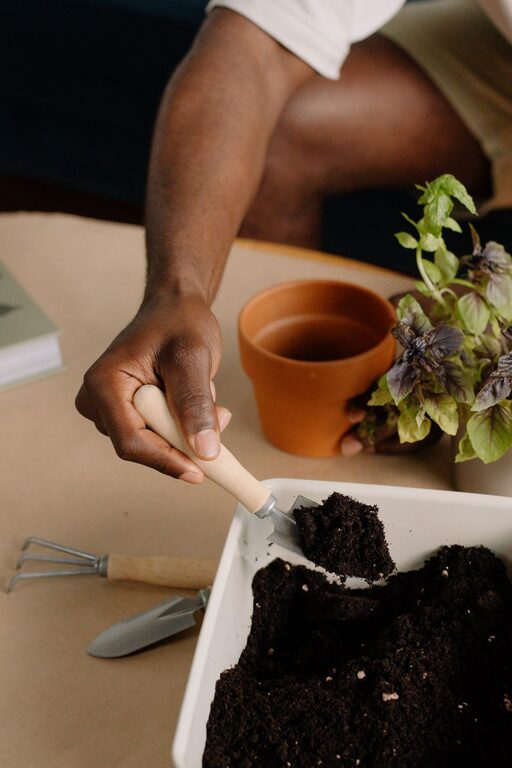
Starting a small herb garden indoors is a fantastic way to bring fresh flavors to your kitchen and enjoy the satisfaction of growing your own plants. Whether you have a sunny windowsill or a small corner in your home, cultivating herbs indoors can be simple and enjoyable. This guide will walk you through everything you need to know to begin your own indoor herb garden.
Why Grow Herbs Indoors?
Indoor herb gardens offer numerous benefits:
– Freshness: Pick fresh herbs whenever you need them for cooking.
– Convenience: No need to step outside; herbs are right in your kitchen.
– Year-round growth: Grow herbs regardless of the season or weather.
– Air quality: Some herbs can help improve indoor air.
– Decor: Green plants enhance your living space.
Choosing the Right Herbs for Indoor Gardening
Not all herbs thrive indoors, so it’s important to pick varieties suited to indoor environments and your cooking preferences. Some easy-to-grow herbs for beginners include:
– Basil: Loves sunlight and warmth.
– Mint: Grows quickly but can spread aggressively, so keep it in its own pot.
– Parsley: Prefers moderate light; slow growing.
– Chives: Tolerant of lower light and grows well in small spaces.
– Thyme: Requires good light and well-drained soil.
– Cilantro: Prefers cooler temperatures and bright light.
Supplies You’ll Need
Before you start, gather the following:
– Containers: Small pots or window boxes with drainage holes.
– Potting soil: Use a well-draining, lightweight potting mix designed for indoor plants.
– Seeds or starter plants: Choose based on your experience and availability.
– Light source: Bright, indirect sunlight or a grow light.
– Watering can or spray bottle: For gentle watering.
– Labels: To identify different herbs.
– Fertilizer: A balanced, water-soluble fertilizer for herbs.
Step-by-Step Guide to Starting Your Indoor Herb Garden
1. Select Your Location
Herbs generally need about 6 hours of sunlight per day. A south- or west-facing windowsill is ideal. If natural light is limited, consider using LED grow lights placed 6-12 inches above the plants.
2. Choose the Right Containers
Select pots with drainage holes to prevent waterlogging, which can harm herb roots. Consider using saucers underneath to catch excess water and protect surfaces. Small to medium-sized pots (4-8 inches in diameter) are perfect for most herbs.
3. Prepare and Plant
– Fill your containers with potting soil, leaving about an inch at the top.
– If using seeds, follow the packet instructions on planting depth.
– If using starter plants, gently loosen the roots and plant them in soil.
– Water the soil lightly to settle it around the roots.
4. Watering Tips
Herbs prefer consistently moist, but not soggy, soil. Water when the top half-inch of soil feels dry. Avoid overwatering by ensuring pots drain well. Using a spray bottle can help gently moisten delicate seedlings.
5. Provide Adequate Light
Monitor your herbs daily. If leaves look leggy or pale, they may need more light. Rotate pots occasionally to ensure even sunlight exposure.
6. Fertilize Occasionally
Feed your herbs with a diluted, balanced fertilizer every 4-6 weeks to promote healthy growth. Avoid over-fertilizing since it can affect flavor.
7. Pruning and Harvesting
Regular pruning encourages bushier growth. Pinch or trim herbs just above a set of leaves. Harvest small amounts frequently to keep plants productive and healthy.
Common Indoor Herb Gardening Challenges
1. Lack of Light
If your herbs aren’t thriving, insufficient light is often the cause. Supplemental grow lights can help.
2. Overwatering
Too much water leads to root rot. Always check soil moisture before watering.
3. Pests
Indoor herbs can attract pests like aphids or spider mites. Inspect your plants regularly and use gentle insecticidal soap if needed.
4. Temperature Fluctuations
Keep herbs away from cold drafts or heating vents, as sudden temperature changes can stress the plants.
Tips for Success
– Start with a few easy herbs before expanding your garden.
– Label each pot to remember what you planted.
– Use herb scissors or clean kitchen scissors for harvesting.
– Clean your containers and replace soil every year to prevent disease.
– Rotate herbs seasonally to enjoy a variety of flavors year-round.
Conclusion
Growing a small herb garden indoors is a fun and practical way to brighten your home and your meals. With a little care and attention, you can enjoy the fresh taste of homegrown herbs all year long. Whether you’re using them to spice up your dishes or simply enjoy the greenery, indoor herb gardening is a rewarding hobby anyone can start.
Happy gardening!
