
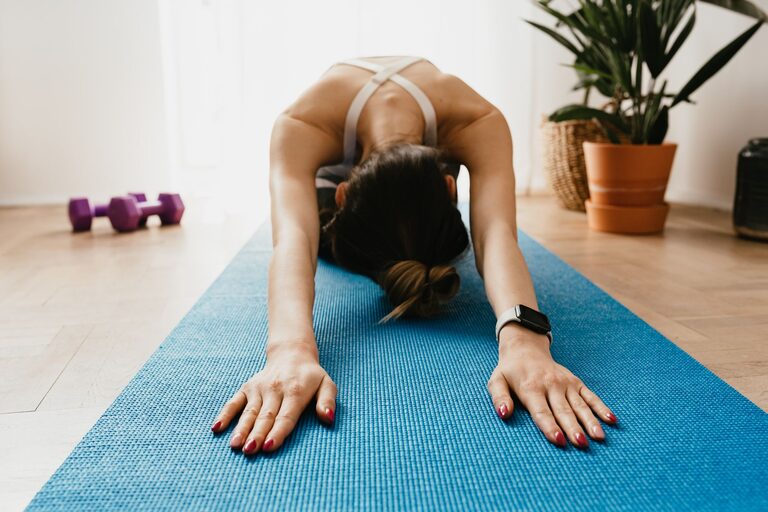
Stretching is an essential part of maintaining overall health and fitness. Whether you’re looking to improve flexibility, reduce muscle tension, or simply add some gentle movement to your day, stretching at home is a convenient and effective way to achieve these benefits. This beginner’s guide will walk you through everything you need to know to start stretching safely and confidently from the comfort of your own space.
Why Stretching Matters
Before diving into the how-to, it’s important to understand why stretching is beneficial:
– Improves Flexibility: Regular stretching helps lengthen muscles and increase the range of motion in your joints.
– Reduces Muscle Tension: Stretching can relieve tightness and muscle stiffness, making daily movements easier.
– Enhances Circulation: Stretching increases blood flow to muscles, promoting faster recovery and reducing soreness.
– Prevents Injury: Preparing muscles and joints through stretching can lower the risk of strains and sprains.
– Supports Relaxation: Gentle stretching can reduce stress and help calm the mind.
Preparing to Stretch at Home
Choose a Comfortable Space
Find a quiet, uncluttered area with enough room to move freely. Use a yoga mat or soft carpet for comfort, especially for floor stretches.
Wear Comfortable Clothing
Opt for loose or stretchy clothes that allow a full range of motion. Avoid tight or restrictive clothing that may limit your movements.
Warm Up First
Stretching cold muscles can increase the risk of injury. Warm up by walking around, marching in place, or doing light aerobic activity for 5-10 minutes before stretching.
Basic Stretching Techniques
There are two main types of stretches:
Static Stretching
This involves holding a stretch position for 15-60 seconds. It helps improve overall flexibility and is best done after a workout or as part of a cool-down.
Dynamic Stretching
Dynamic stretches involve moving parts of your body through a full range of motion, usually done before exercise to prepare muscles and joints.
For beginners, starting with static stretches at a gentle pace is recommended.
Essential Stretches for Beginners
Here are some easy and effective stretches to get started:
1. Neck Stretch
– Sit or stand with back straight.
– Slowly tilt your head to the right, bringing your ear toward your shoulder.
– Hold for 20 seconds, feeling a stretch along the left side of your neck.
– Repeat on the other side.
2. Shoulder Stretch
– Extend your right arm across your chest.
– Use your left hand to gently pull your right arm closer.
– Hold for 20-30 seconds.
– Switch arms.
3. Chest Opener
– Clasp your hands behind your back.
– Straighten your arms and gently lift your chest.
– Hold for 20 seconds to open the chest and shoulders.
4. Cat-Cow Stretch (spine flexibility)
– Start on hands and knees in a tabletop position.
– Inhale and arch your back (cow), lifting your head and tailbone up.
– Exhale and round your spine (cat), tucking your chin and pelvis.
– Repeat for 30 seconds in a slow, controlled motion.
5. Hamstring Stretch
– Sit on the floor with one leg extended.
– Reach forward toward your toes, keeping your back straight.
– Hold for 20-30 seconds.
– Switch legs.
6. Quadriceps Stretch
– Stand near a wall for balance.
– Grab your right ankle with your right hand, pulling your heel toward your buttocks.
– Keep knees close together.
– Hold for 20 seconds.
– Switch legs.
7. Calf Stretch
– Stand facing a wall.
– Place your hands on the wall at shoulder height.
– Step one foot back and press your heel into the floor.
– Hold for 20-30 seconds.
– Switch feet.
Tips for a Successful Stretching Routine
– Breathe Deeply: Inhale and exhale slowly during each stretch to help muscles relax.
– Don’t Bounce: Move into stretches gently and avoid bouncing, which can cause injury.
– Listen to Your Body: Stretch to the point of mild tension, not pain.
– Be Consistent: Stretch regularly, ideally daily or at least 3-4 times a week, to see improvements.
– Hydrate: Drink water before and after stretching to keep muscles hydrated.
Creating Your At-Home Stretching Plan
To build a simple routine:
- **Set a Time:** Pick a consistent time each day, such as morning after waking or evening before bed.
- **Choose 5-7 stretches:** Focus on large muscle groups and areas where you feel tightness.
- **Hold each stretch:** For 20-30 seconds, repeating each stretch 2-3 times.
- **End with relaxation:** Finish with deep breathing or a gentle full-body stretch.
When to Be Cautious
If you have any injuries, chronic pain, or medical conditions, consult a healthcare professional before starting a stretching routine. Avoid stretching cold muscles or overextending joints. Stop immediately if you feel sharp pain or discomfort.
Final Thoughts
Stretching at home is an accessible and rewarding habit that can enhance your physical and mental well-being. With just a few minutes each day, you can increase your flexibility, reduce muscle tension, and boost your overall comfort. Remember to be patient and gentle with your body as you build your flexibility over time.
Happy stretching!
