
Reducing food waste at home is a great way to save money, reduce your environmental impact, and make your kitchen more efficient. With a few changes in shopping, cooking, and storing habits, anyone can cut down the amount of food that ends up in the trash. This guide will walk you through practical steps to reduce food waste in your household.
Why Reducing Food Waste Matters
Food waste is a significant issue worldwide. Uneaten food not only wastes the resources used to produce it, such as water and energy, but also contributes to greenhouse gas emissions when it rots in landfills. By cutting down on food waste, you can help conserve resources and reduce your carbon footprint.
Plan Your Meals and Shopping
Create a Weekly Meal Plan
Planning your meals in advance helps you buy only what you need. List the recipes you want to cook and check which ingredients you already have. This prevents impulse buys and excess food.
Make a Shopping List and Stick to It
Once you know what you need, write a shopping list and use it at the store. Avoid buying items that aren’t on the list, especially perishables that might go unused.
Shop Smartly
– Buy loose produce so you can choose the exact amount.
– Check expiration dates and select items with the longest shelf life.
– If possible, shop more frequently but buy less each time to keep food fresh.
Store Food Properly
Proper storage extends the life of your food and maintains quality.
Understand Storage Requirements
– Keep fruits and vegetables in the right place; some do better refrigerated (e.g., berries), while others last longer at room temperature (e.g., bananas).
– Store bread in a cool, dry place or freeze it if you won’t use it quickly.
– Use airtight containers for leftovers and opened packages.
Use Clear Containers and Label Items
By storing food in transparent containers and labeling with dates, you can easily see what you have and when it should be eaten.
Organize Your Fridge and Pantry
Keep older items at the front so they get used first. Practice FIFO (first in, first out) to reduce spoilage.
Make the Most of Leftovers
Get Creative with Leftovers
Use leftover vegetables and meats to make soups, stir-fries, or casseroles. Transform stale bread into croutons or bread pudding.
Portion Control When Cooking
Prepare meals in portions that suit your household size. If you have extra, save it for another meal instead of cooking too much.
Freeze Extras
Most cooked meals and ingredients can be frozen safely. Label and date packages for easy identification.
Use Food Scraps Wisely
Save Vegetable Peels and Stems
Vegetable scraps like carrot tops, onion skins, and celery ends can be saved in a bag in the freezer and later used to make homemade vegetable stock.
Compost Food Waste
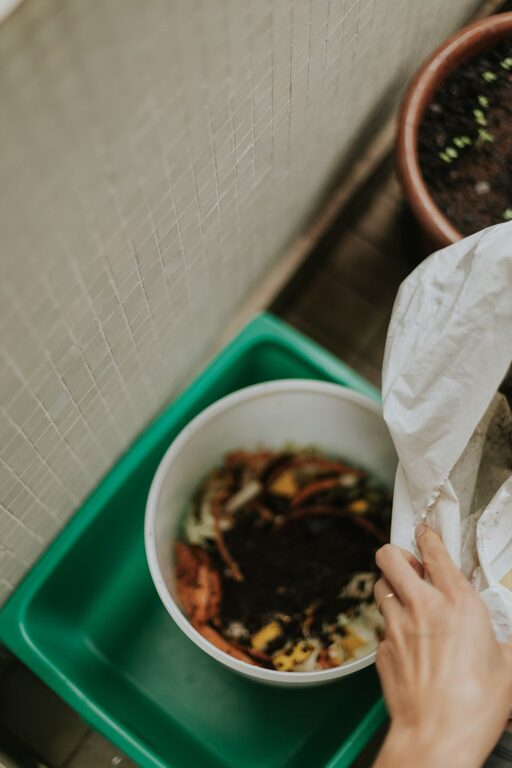
Composting reduces landfill waste and produces nutrient-rich soil for your garden. Many neighborhoods offer composting programs if you don’t have space at home.
Check and Understand Expiration Dates
Differentiate Between “Sell By,” “Best Before,” and “Use By”
Many foods are safe to eat past the “best before” date, which indicates quality rather than safety. Use your senses—smell, sight, and taste—to judge food freshness.
Practice Sensible Food Safety
While it’s important to avoid spoiled food, don’t throw away items too early. Read about food storage and expiration to make informed decisions.
Educate and Involve Your Family
Encourage everyone in your household to participate in reducing food waste. Teach children about the value of food and how to handle leftovers properly.
Simple Habits to Adopt Every Day
– Serve smaller portions and allow seconds if needed.
– Use a shopping app to track pantry inventory.
– Drink water before meals to avoid overeating.
– Donate unopened, unexpired food to local charities.
Conclusion
Reducing food waste at home takes some planning and mindfulness, but the benefits are well worth it. With these practical tips, you can make a positive impact on your wallet and the planet. Start small, be consistent, and enjoy the rewards of a more sustainable kitchen.
